The Wandering
This summer, I gave myself an artist retreat in the mountains of Vermont and New Hampshire. It was a chance to step away from my normal routines and spend real time looking, thinking, and painting. I wrote more about the experience here, but the short version is that I came home eager to keep working.
I was full of colors, textures, and sensations that I wanted to explore more deeply. I could still feel the springy moss under my feet and see mist settling over the hills. I kept thinking about still water, cool air, unfamiliar fields, and long mountain views.
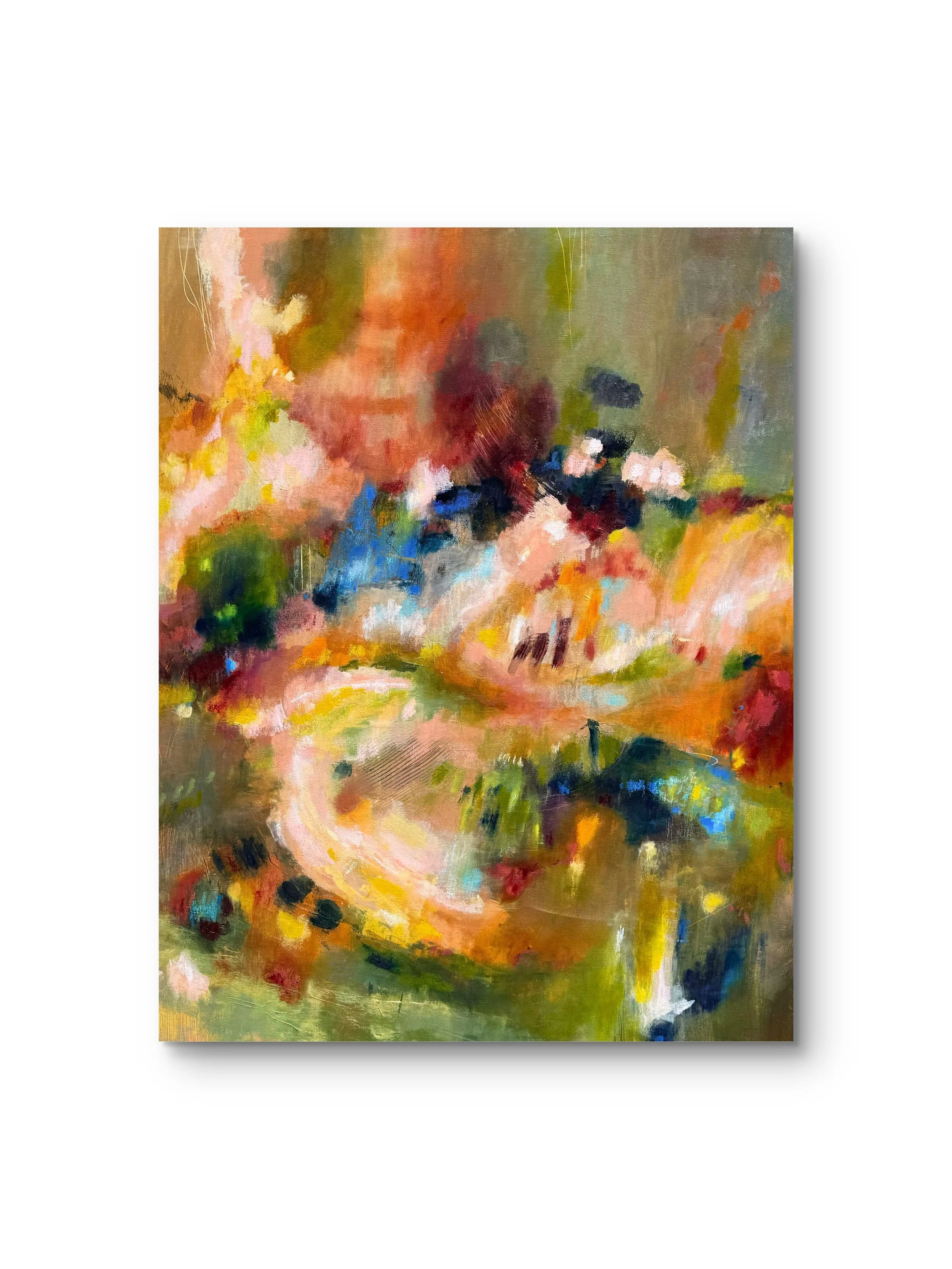
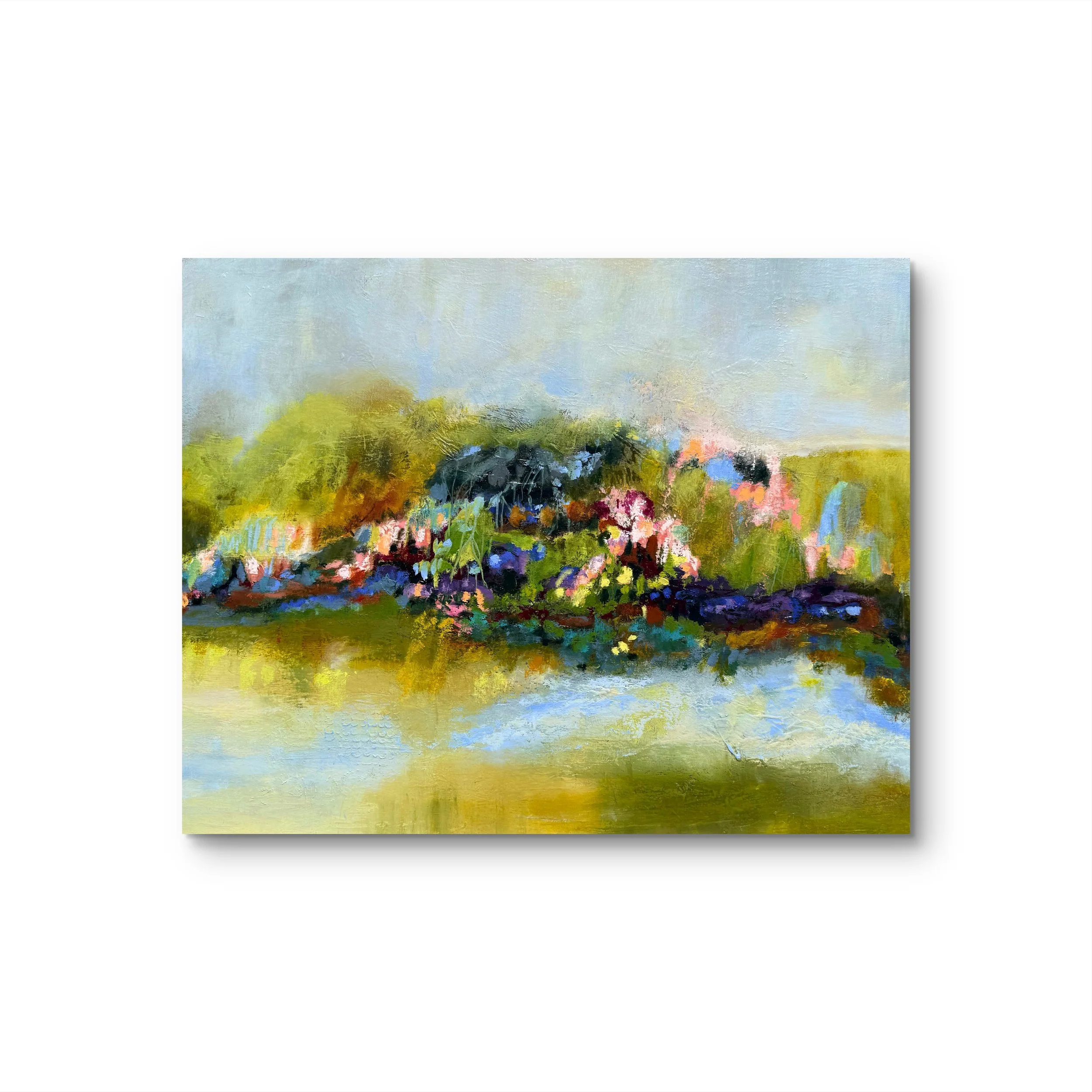
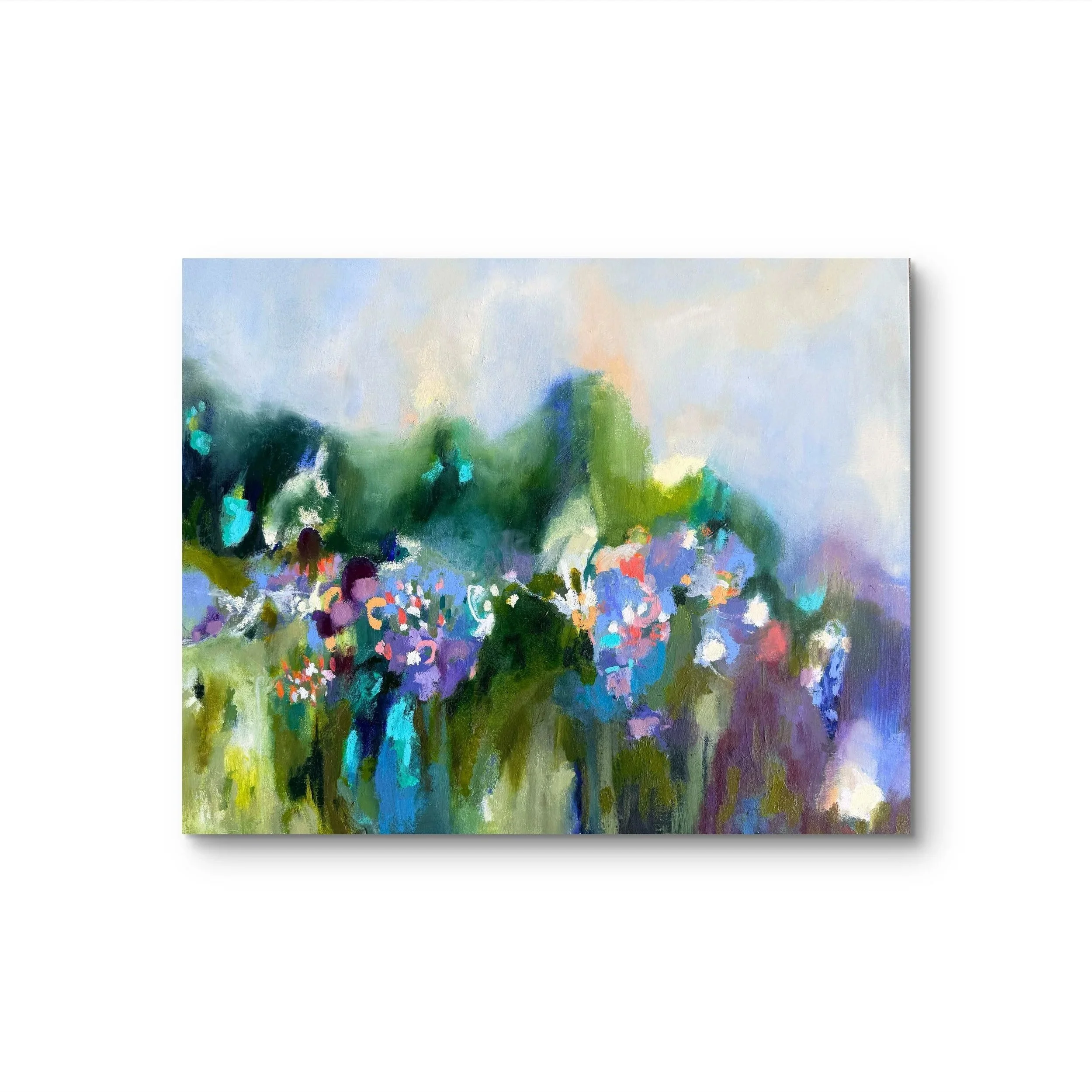
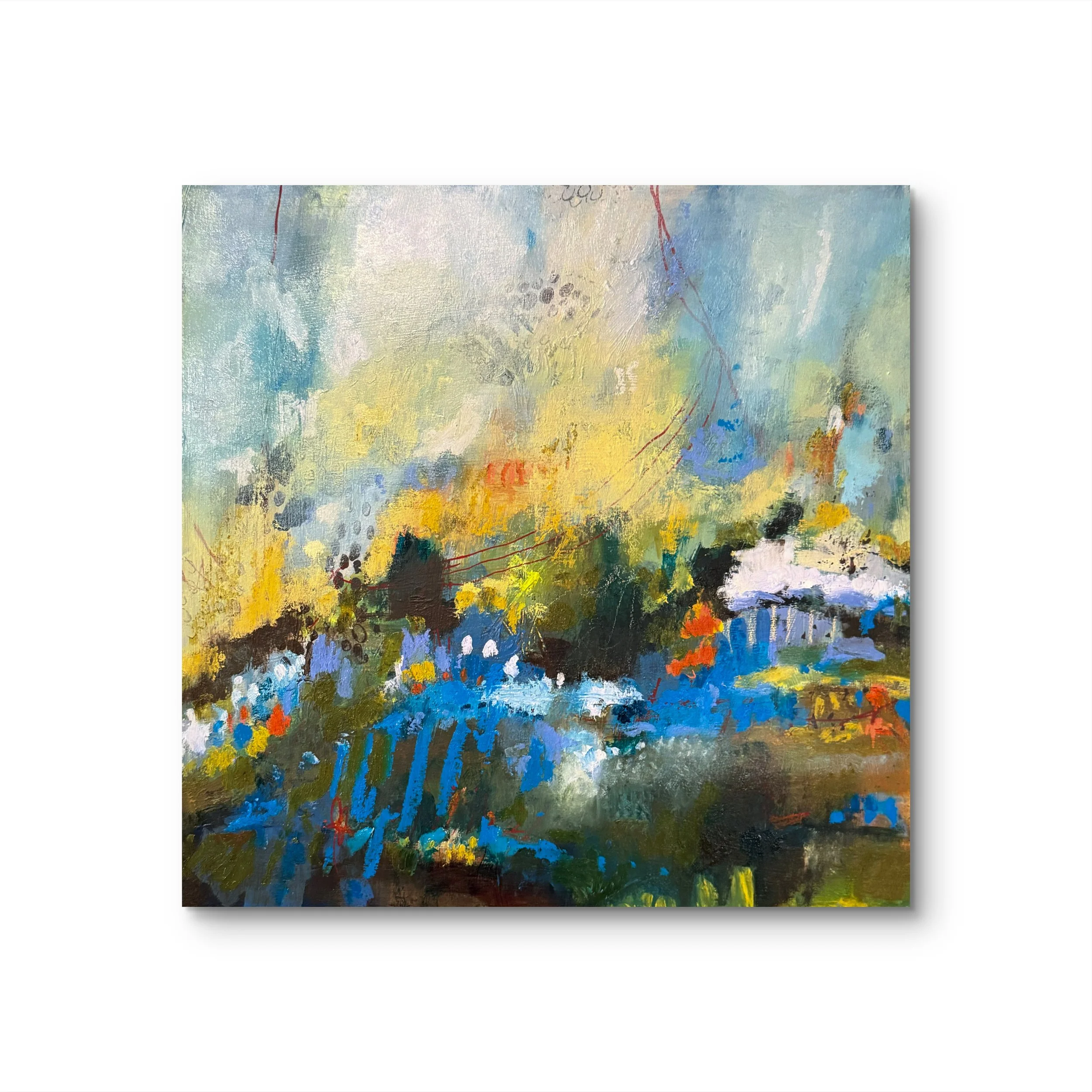
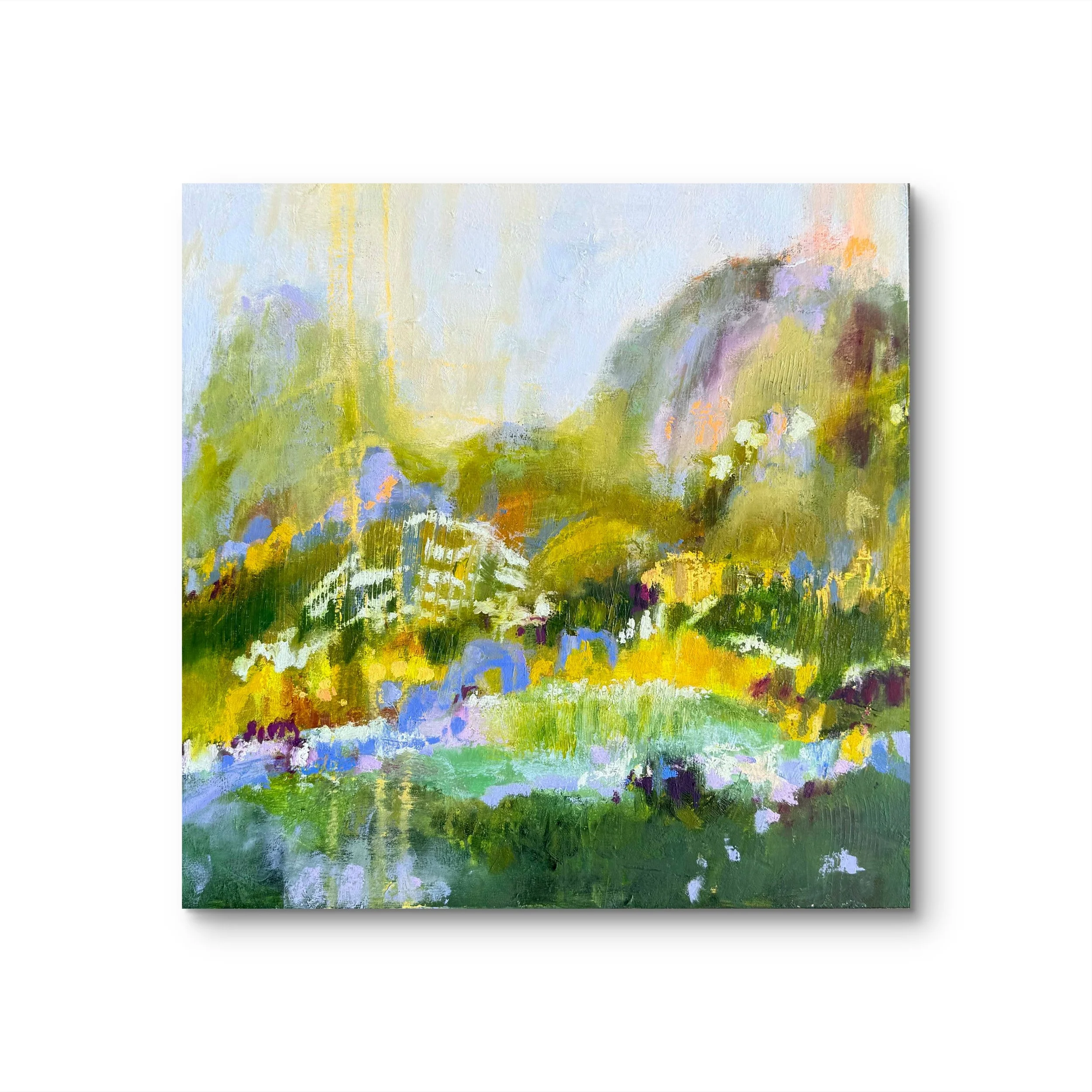
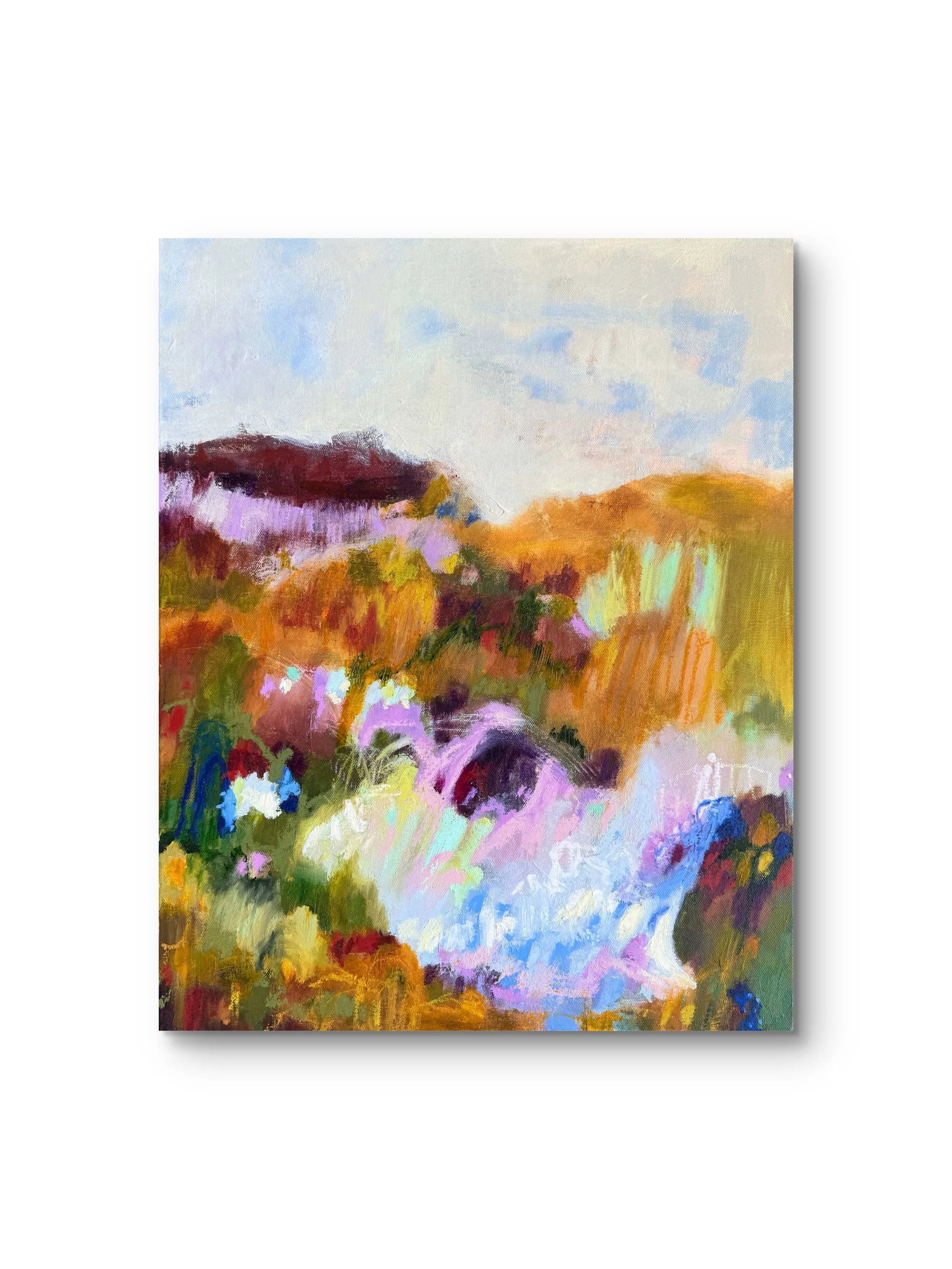
Back in the studio, I began pulling those experiences apart and putting them back together through paint. Misty blues, periwinkles, green-golds, and deep earthy colors moved through the work. Arches became ridges, pathways, hills, and bridges. The same marks kept returning, but they changed each time.
This is how The Wandering began. The series continues to grow as I follow those colors and forms into new paintings, letting them connect with memories, feelings, and whatever else surfaces along the way.
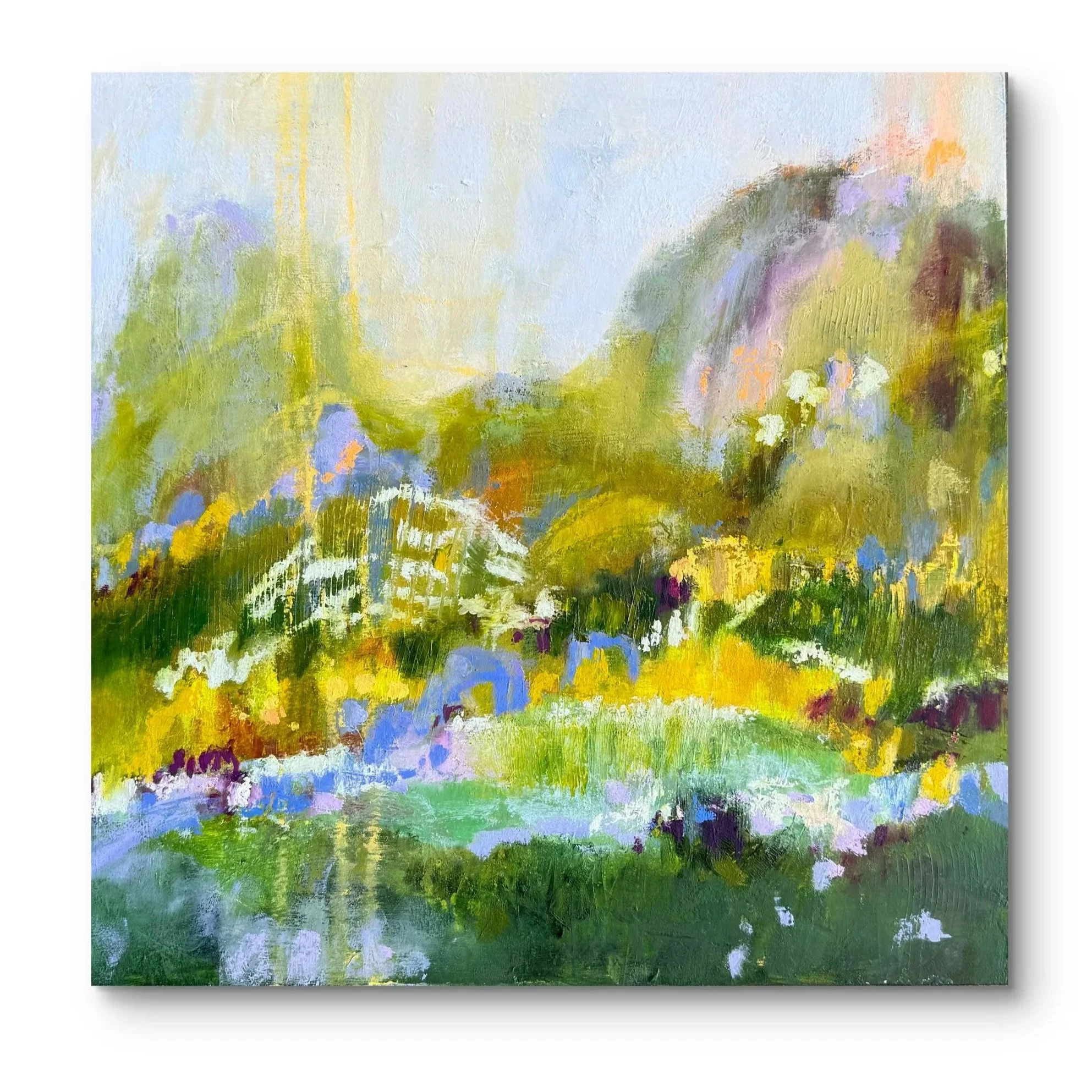
The Bridge ©Brita Nordin, 2026
Receptivity Comes Before Imagination
For a long time, I thought imagination was something I needed to generate. If I could come up with a good ideas, I would have inspiration for paintings.
But, it hasn't been that simple and I’m beginning to think it works differently for me.
Before imagination comes receptivity. I have to quiet my brain enough to notice what’s happening around me and inside me. Then I have to resist deciding too quickly what any of it means.
A small detail might stay in my mind for no obvious reason. A memory might connect with a color. A shape might appear in one painting and then show up again in the next. If I give those things some room, they can start to relate to one another.
This is what happened with The Wandering. I kept returning to pale, spacious skies next to denser passages that felt like earth or water. Arches, ridges, hills, and pathways appeared over and over. So did the misty blues, greys, periwinkles, and green-golds I had been working with.
The landscapes I experienced over the summer in the mountains of New Hampshire and Vermont gave me plenty of raw material, but I wasn’t interested in painting particular views. What stayed with me were sensations. The bounce of moss under my feet. Hills disappearing into mist. Still water. Cool, wet air. The feeling of looking into the distance at unfamiliar fields and lakes.
With time, those sensations became mixed up with memories, feelings, dreams, and all the other special sauce in my imagination. That mixture is where the paintings came from.
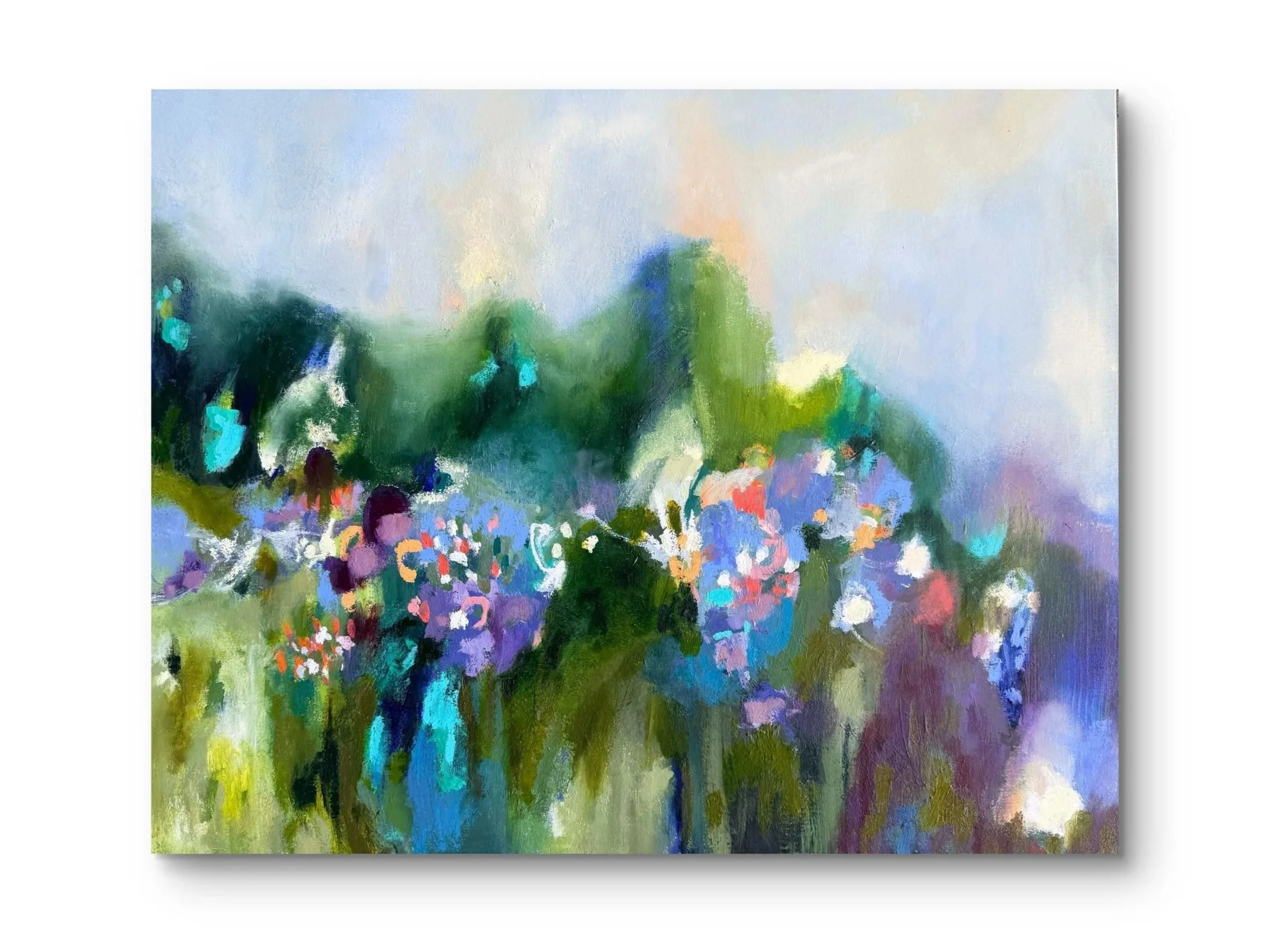
In Season © Brita Nordin, 2026
Building Memory Into the Surface
Eventually, this needs to turn into art. At least, that's my goal.
I start with acrylic inks and paint, markers, and wax pastels to build texture. I draw, glaze, scrape things away, and cover them up. Once the painting begins to take shape, the second half of my process is in oil-based paint, sticks, and pastels.
I’m a bit of a maximalist when it comes to materials.
I also use a lot of different tools, including brushes, palette knives, spatulas, and sticks. They don’t all make predictable marks, which is exactly why I like them. If I only use tools I know how to control, I tend to make marks I already know how to make.
The surface keeps changing, and I have to keep responding to it.
Sometimes I cover something beautiful and immediately regret it. Sometimes ruining the beautiful part opens up something much more interesting. Other times, I really should have left it alone. Regret is often part of my process, but overcoming that feeling can be a healing moment in the creative process.
Even when an early layer disappears, it still affects what comes afterward. A ridge remains under the paint. A buried color shows through. A mark changes the texture of a later passage.
I love that the paintings carry a memory of everything that happened to them, even when most of that history is no longer visible.
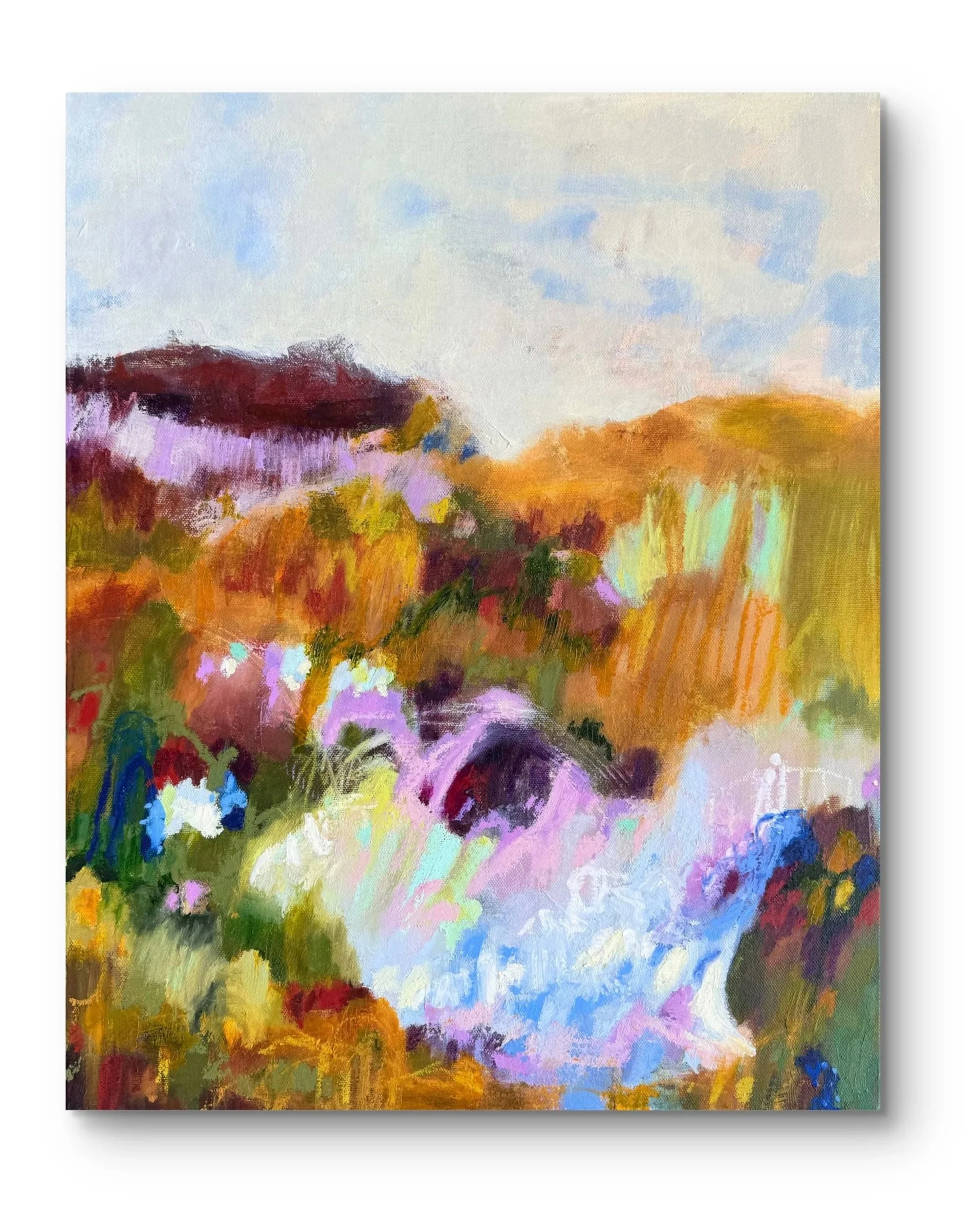
Wandering © Brita Nordin, 2026
What I Hope You Find in These Paintings
While experiences are in these paintings, I don’t need you to see the same thing I see.
A shape that feels like a hill to me might remind you of water, a bridge, a path, or a place from your own memories. That’s one of the things I love about abstract landscapes. There is enough of the physical world for you to step in, but the painting doesn’t tell you where you are or what you’re supposed to feel.
I hope people can spend time with these paintings without needing to figure them out. I hope they make room for memories, associations, and feelings that I never could have planned for.
See The Wandering in Exeter or Online
The first six paintings from The Wandering are complete and available for purchase through my online portfolio.
They are also currently on view at STREET in Exeter, New Hampshire. If you’re nearby, I hope you’ll stop in for a delicious meal and see them in person.
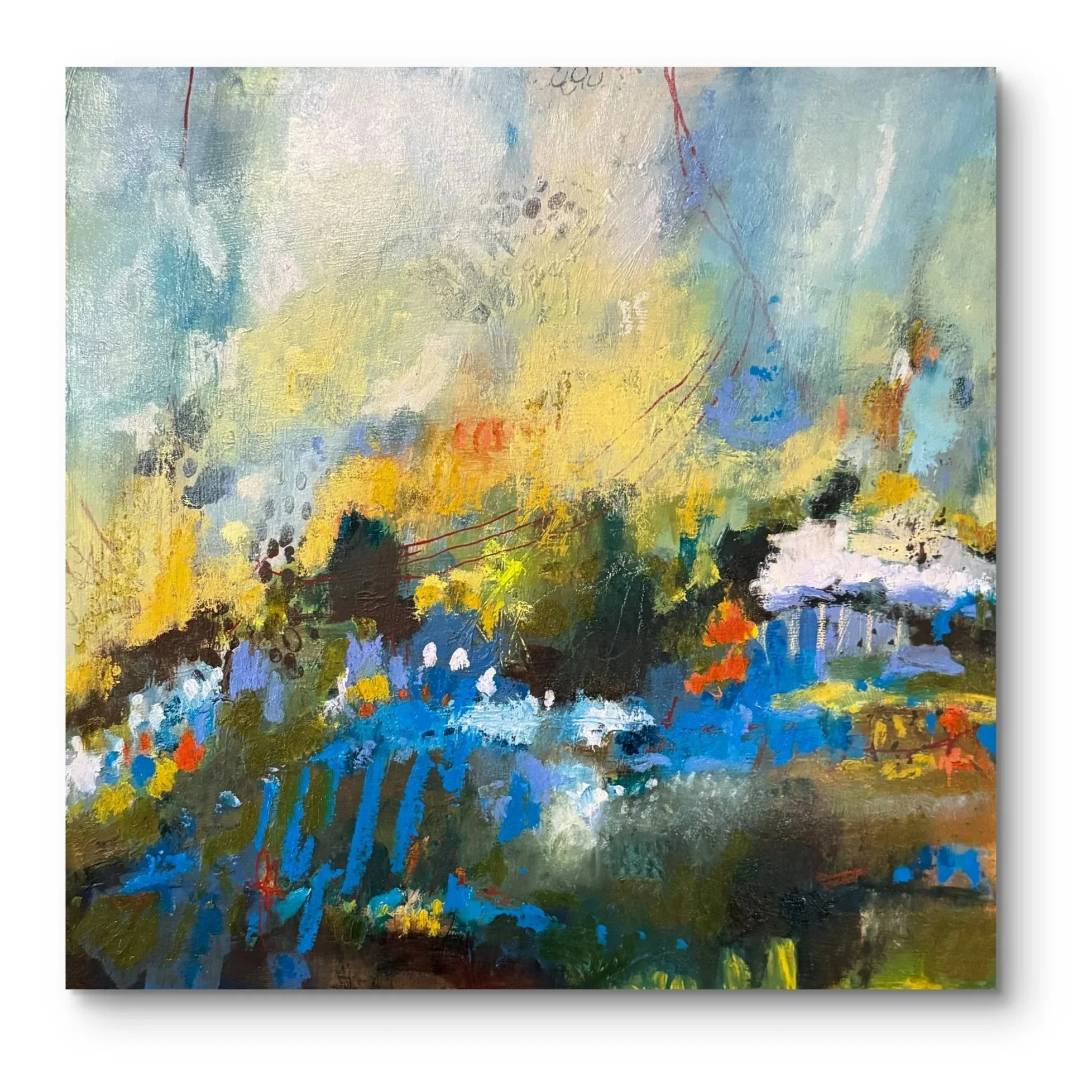
Sun Shower © Brita Nordin, 2026